What Happens To Your Body When You Skip Meals?
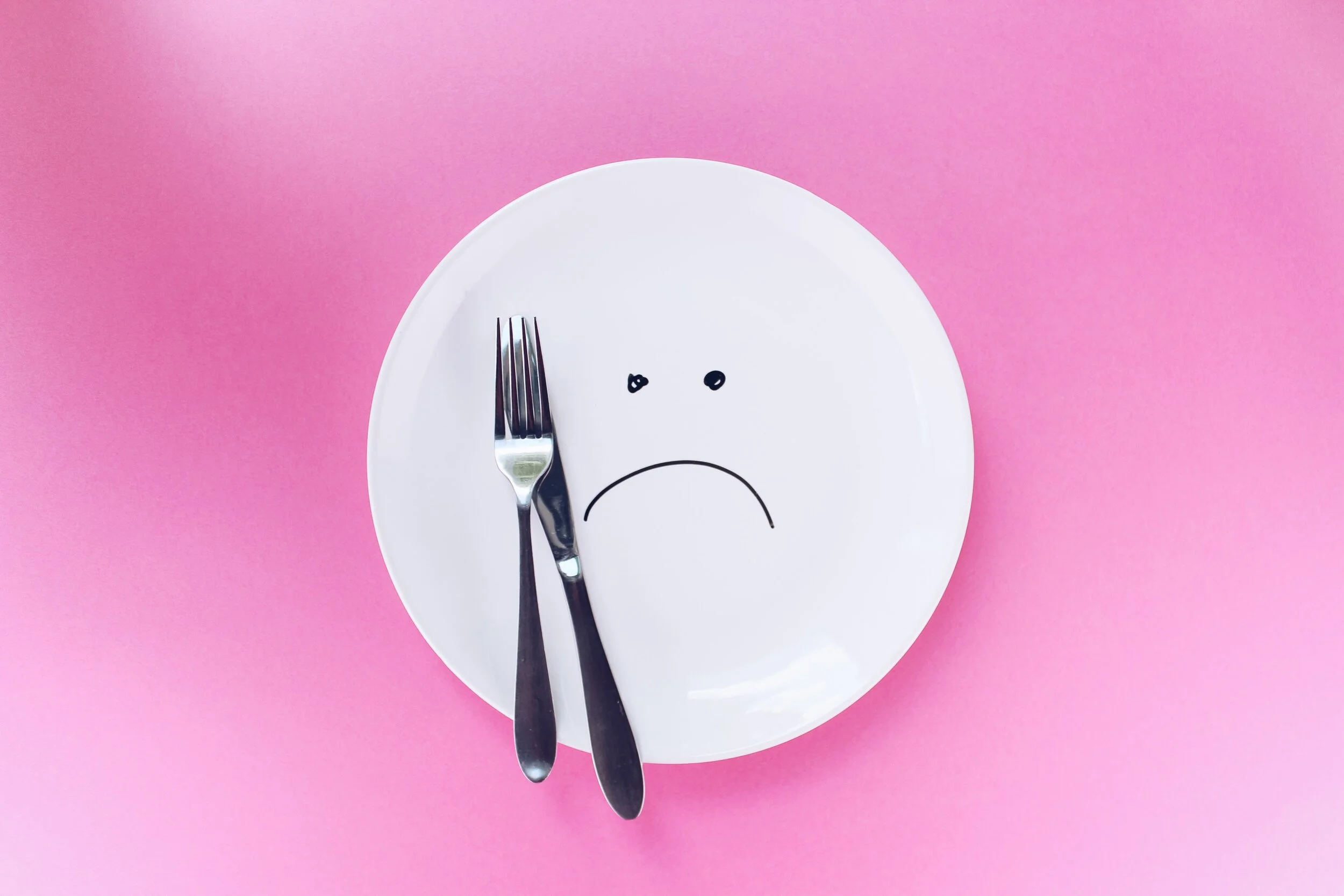
Photo by Thought Catalog on Unsplash
We know what it is like to get into the zone at the office: You have your headphones on, fingers typing, and you are engrossed in answering and sending emails. Sometimes your busy schedule can make you forget your meal. Most people skip meals in the form of intermittent fasting, a way of dieting in which you may eat whatever you need, but during a certain time period.
Skipping meals which are also known as intermittent fasting, can have health benefits like weight loss. But skipping a meal and intermittent fasting are 2 different things. Skipping meals to deprive or punish yourself because you are too busy to eat is different from fasting to get cravings under control and practice mindful eating. Generally, if you forget to eat, it can have negative consequences on your body.
You Can Experience Anxiety
Skipping a meal can have a serious effect on your mental health. A 2018 study published in the International Journal of Environmental Research as well as Public Health, found adolescents who skipped breakfast were more possible to experience stress and depression than those who regularly ate breakfast.
When you go too long without eating, your blood sugar takes a dip, signaling your body to begin producing cortisol. Cortisol, referred to as the stress hormone, is released to try to help regulate that dip in blood sugar, but it is making a stress response in the body. This can’t leave you feeling anxious and depressed, but moody, irritable and frazzled.
Your Energy Can Take a Major Dip
These big swings in blood sugar are not doing any favors for your energy levels. Think of how awful you feel when you are hungry. Plus, our brains literally run on glucose, so forget about making it through your morning workout and the rest of your day with ease.
And you should not aim to burn calories through exercise if you have skipped out on a meal, as it leaves even some for your brain to use up. (This is another reason to avoid the keto diet at all costs, as it leaves small glucose for your brain or body to use.)
You can Lose Touch with Your Hunger and Fullness Cues
Everyone has a built-in hunger cue as well as fullness cues in the form of hormones. Easily put, leptin is the hormone responsible to decrease your appetite when the body has had enough, as well as ghrelin makes you hungry when your body requires more fuel.
Your body's hunger and fullness cues are the best indicators of when you need food. Losing a grasp on what hungry and full feel like for you can lead to negative health consequences, and they may be hard to regain.
You will feel tired and sluggish.

Photo by Adrian Swancar on Unsplash
Skipping meals and never consuming sufficient food during the day can literally make your head spin. You can start to feel dizzy, low energy, and feel like you are about to pass out. This is due to the drop in blood glucose. When we do not feed our brains, this can signal to the body that it is time to shut things down.
This is why if you are going to practice intermittent fasting, you have to ensure you are doing it appropriately on a set schedule and when you do eat, you are filling up on foods that’ll sustain you through the fasting periods.
You can overeat at your next meal.
When you plan to skip meals, you can feel like you should overeat so you have enough food in you till your next meal. But if you split up your meals through the course of the day, your body is capable of using those nutrients more effectively. You can think of our bodies as a food processor: If you add food into it, it’ll work well and do its job, but if you shove lots of food into it at once say, after you have skipped a meal and are ravenous then it will not work as effectively.
To help your body function appropriately, make sure to enjoy 3 balanced meals a day and grab a healthy snack when you are hungry between meals. If you begin to hear a small rumble in your belly, that is a sure sign it is time to eat. Important thing is to eat based on your internal feelings and never the clock, so when you are starting to feel like you cannot concentrate, begin chewing something nutritious ASAP.
You aren’t able to maintain weight loss in the long run
If you think skipping a meal is a smart way of maintaining weight loss, think again. You will naturally consume some calories, but there is a better chance you will cave into your cravings and binge on unhealthy foods, which may lead to a dangerous cycle of yo-yo dieting. Yo-yo dieting may mess with your resting metabolism, which is the way your body burns calories to function.
Because your meal times are so unpredictable, your body will keep what it may and will not burn calories effectively. Your hunger hormones may take a hit if you are skipping meals. Your body can produce less leptin the hunger hormone that decreases appetite making it difficult for you to discern when you are full.
You can gain weight
The real danger kicks in as you move from skipping a meal here and there to restricting yourself. At that point, you begin messing with metabolism as well as storing everything you eat as fat. Our bodies are programmed to survive. It actually dates back to caveman days. If a caveman was present in the forest and all his food is finished, his body lowers his metabolism so that he would not need many calories to stay alive.
The hunger will strike
The feeling of hunger from missing a meal may lead to mood swings as well as a serious lack of anger management. A study by psychologist John de Castro discovered that food intake was related to the average mood of the subjects that he examined through his study. A change in blood sugar may lead to changes in mood, and leaving a person feeling hungry. Low blood sugar can lead to feelings of fatigue, irritability, and confusion.
Blood sugar levels dive

Some healthy people can maintain a normal blood sugar between meals. The issue happens when they skip them. The body runs on sugar, which is its fuel. If it isn’t circulating in the proper amounts reaching your organs, each one of them will be affected.
Fat is stored
If you aren’t supplying the body with sufficient calories some hours when it is hungry, it is going to think that a crisis is coming and switch to starvation mode. It is an automatic self-defense mechanism. The body is conserving energy for later, which means it isn’t burning calories.
Particularly around your waist: A study to shed light on why this dieting strategy is a bust found that skipping meals can instigate a series of metabolic miscues that can lead to weight gain, and particularly in the abdominal place.
You should not skip meals for saving calories because it will set your body up for fluctuations in insulin as well as glucose and can be setting you up for fat gain rather than fat loss.
You do not burn calories effectively
Slow metabolism affects the body’s capability to burn calories in general. It does not get rid of them as fast. This will prevent you from losing weight. Think about that next time you wonder why you are working out but the number on the scale does not change.
Stress hormones are released
When you have skipped meals, your body will respond with stress hormones. Levels of cortisol increase, making you more stressed out and annoyed. Due to the hormones flow, your blood sugar levels will drop. Cortisol regulates energy by selecting the right amount of protein, carbs, and fat the body needs. Too much cortisol in the system on regular basis leads to hormonal imbalance, wreaking havoc in your body.
Diabetes risk goes up
Skipping meals can raise your risk for Type 2 diabetes because it leads to binge eating. This kind of eating causes frequent spikes in blood sugar and exaggerated insulin response. This can result in excess fat storage which is a risk factor for insulin resistance and Type 2 diabetes.
Brain is affected
Everything starts to slow down and this involves the metabolic function of the brain. Energy deficiency in the form of glucose can impact your mood and alertness. You cannot think clearly due to the low blood sugar level as a result of not eating.
Heart disease, too
Researchers have discovered that skipping breakfast was linked to high blood pressure, obesity, diabetes, as well as stroke risk, as per the British Heart Foundation. Breakfast eaters were less probably to have risk factors for heart and circulatory disease, higher levels of LDL (bad) cholesterol, lower levels of HDL (good) cholesterol, and high blood pressure.
You get bad breath

Chewing food increases saliva. Bad breath happens due to decreased saliva, which flushes away bacteria from your mouth. When you skip meals, saliva decreases, the tongue is dry, as well as bacteria growth increases causing you to have bad breath.
How frequently should you eat?
A suggested time frame of how frequently to eat is 4-5 hours. You should plan your meals well and plan it so you do not get to a point where you get too hungry and lose control. But to spacing out your meals throughout the whole day, you should eat the meals earlier in the day. Both are important whether it is when you eat or what you eat. The early you eat in the day the better. The food that we eat in the morning metabolize differently than the food we eat at night, and it is recommended to eat dinner in a small quantity, lunch in moderate quantity like a prince, and breakfast in large quantity like a king.
Conclusion
Skipping meals can occur from time to time, but doing it consistently can negatively affect your health and lead to nutritional deficiencies. Also skipping meals can stop you from performing at your best because you are hungry and all you can concentrate on is food. Therefore, you should not skip meals and do not neglect your body when its telling you that you are hungry.


Praesent id libero id metus varius consectetur ac eget diam. Nulla felis nunc, consequat laoreet lacus id.