Importance Of Protein And Why Timing Matters.
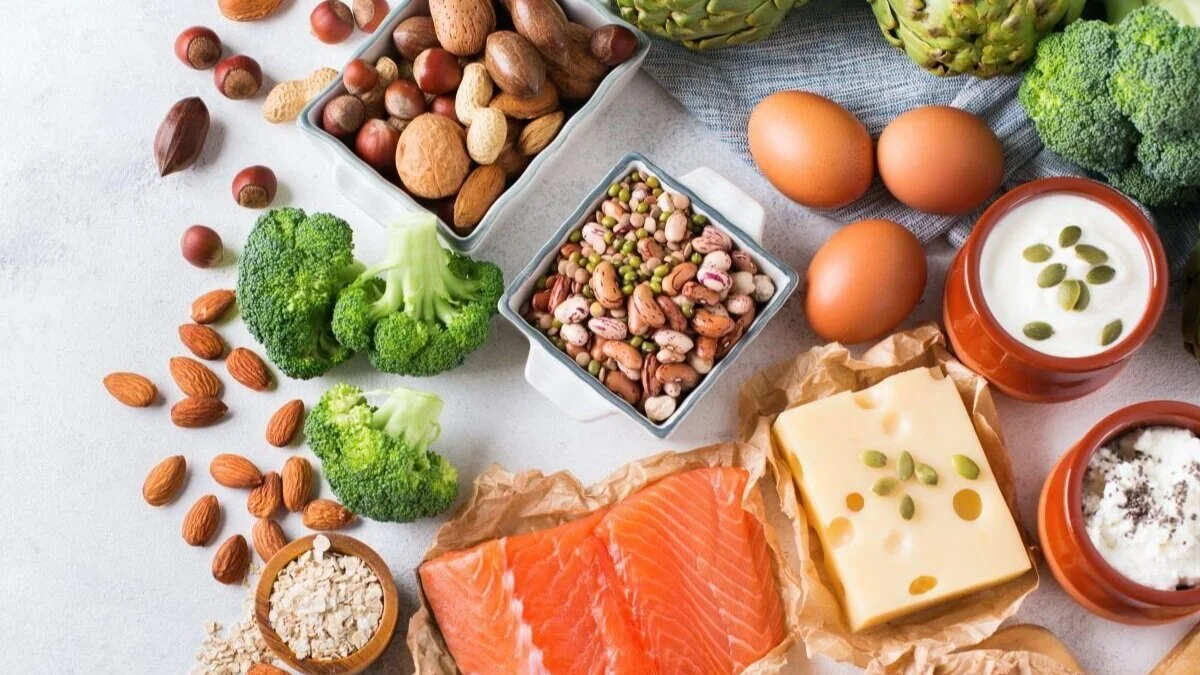
You’ve probably heard of protein before. After all, it’s the most popular nutrient on the planet, and it’s often praised for its importance in muscle growth and general development.
But what exactly is protein, and what other effects does it have on the body? More importantly, how much protein do we need, and does the timing of it matter in any way?
What Is Protein?
Proteins are organic molecules that consist of amino acids (which scientists call the building blocks of life).
As you can imagine, each protein molecule carries different amino acids and in varying amounts. So, depending on the food or drink source, proteins can vary in quality and usefulness.
Amino acids come in three categories:
Essential – those which the body cannot make itself, so we must get them through food.
Nonessential – those which the body can synthesize, and we don’t necessarily have to get them through food.
Conditionally-essential – those that we can typically make, but may not be able to under certain circumstances.
Why Is Protein So Vital For Our Health and Fitness?
When most people hear ‘protein,’ they instantly think ‘muscle growth.’ Sure, the nutrient is vital for muscle growth. Without it, even if we eat enough, sleep well, and apply ourselves in the gym, we wouldn’t be able to build muscle. The reason for that is simple:
Muscle growth depends on creating a positive nitrogen balance – i.e., more protein coming in than the body breaks down. That way, the body has enough building blocks to replace the lost proteins and add new ones, thus increasing the size of our muscles.
But, protein is vital for a lot more than just muscle growth. As we consume protein, the body breaks it down, and its amino acids enter our bloodstream, where they contribute to the plasma amino acid pool. This pool travels throughout the body and lends building blocks where needed. More specifically, these amino acids are essential for:
Hormonal synthesis
The creation of enzymes, antibodies, and neurotransmitters
The replacement of old and worn-out cells
The transportation of various substances within the body (e.g., the protein hemoglobin transports oxygen)
Growth and repair of different tissues
So, without adequate protein intake, the body cannot function well.
How Much Protein Should We Get Every Day?
This is where things become a bit more confusing, and you are likely to come across numerous recommendations.
For general health, most sources suggest that we should get about 0.8 grams per kilogram of body weight. So, for example, if you weigh 60 kilos, that would be a daily intake of about 48 grams.
But, this recommendation is only enough to prevent protein deficiency in generally healthy and inactive folks. If you are interested in building muscle and improving your athletic performance, you should consume 1.4 to 2 grams of protein per kilogram of body weight. So, to use the same example, if you weigh 60 kilos, you should get between 84 and 120 grams of protein.
This rule should help you get enough of the nutrient for basic protein synthesis to occur. If you want to be on the safe side and make sure that protein is never the limiting factor, you should get 2.2 grams of protein per kilogram of body weight (1 gram per pound).
Does Protein Timing Matter (And What Does This Mean For Us)?

Photo by Aphiwat chuangchoem from Pexels
We’ve had this debate going on for a long time now. Everywhere you look, there is yet another opinion on the topic.
The most recent research suggests that our overall protein intake is what matters most. But, if we want to optimize our results, we should also be mindful of the protein:
Timing – at what specific time we consume it
Distribution – how much and how often we have protein
Sources – what foods and supplements is the protein coming from
According to Brad Schoenfeld and Alan Aragon (two foremost experts in the field of muscle hypertrophy), we should aim to have at least four protein-rich meals per day. That way, the body has a constant supply of protein throughout the day.
Also, we should try to have some protein before training and some after we finish. By doing that, we have greater availability of amino acids that help prevent muscle protein breakdown and kickstart the recovery process before the workout is even complete.
As far as the protein source goes, we should try to get the majority of our protein from whole foods such as eggs, dairy, meat, seafood, nuts, and seeds. Some protein from vegetables and legumes is also beneficial.
As for the pre- and post-training protein, it’s good to have a fast-digesting protein before the workout (such as whey protein), and a slow-digesting one after the workout: casein powder, eggs, cottage cheese, and similar.


Commodo cursus magna, vel scelerisque nisl consectetur et. Donec id elit non mi porta gravida at eget metus.