How To Start Eating Healthy - Beginner's guide
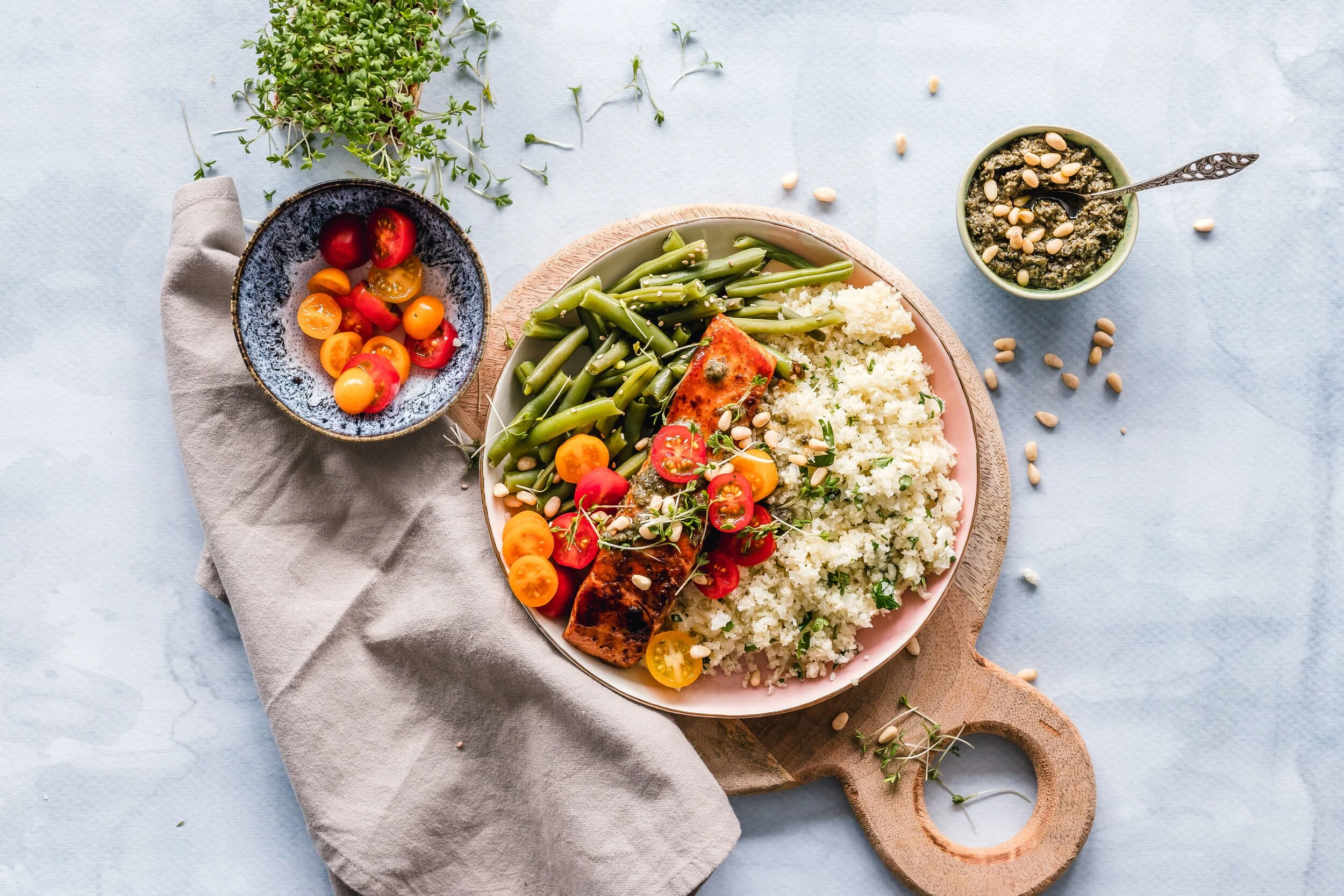
Photo by Ella Olsson on Unsplash
The key to a healthy diet is to eat the right number of calories for how active you’re so you balance the energy you consume with the energy you utilize. If you eat and drink further than your body needs, you will put on weight because the energy you don’t utilize is stored as fat. If you eat or drink too small, you will lose weight. You should eat a wide range of foods to be sure you are getting a balanced diet, as well as your body, is receiving all the nutrients its requirements.
It is recommended that man should have 2,500 calories a day and women have 2,000 calories a day. There’s no scientific evidence that proves diets work for the long term. Sure, you will see fast results if you try most types of fad diets, but it will not last long. Diets are not actually so sustainable, that’s why it is very important to learn healthy habits for eating.
Here are some tips to follow if you want to start eating healthy.
Have meals with high fiber starchy carbohydrates.
Starchy carbohydrates should make up over a 3rd of the food you eat. They include bread, rice, pasta, potatoes, and cereals. Select high fiber and whole grain varieties, like whole-wheat pasta, brown rice as well as potatoes with their skins on. They contain more fiber than white and refined starchy carbohydrates and may help you feel full for longer. Try to include a minimum of one starchy food with every main meal.
Many people think that starchy foods are absolutely fattening, but they contain gram for gram the carbohydrate which can provides more than half the calories of fat. Watch fats that you add when you cook and serve these foods because this is the thing that increases the calorie content, for instance, butter on bread, creamy sauces on pasta. oil on chips.
Eat lots of fruit and vegetables.
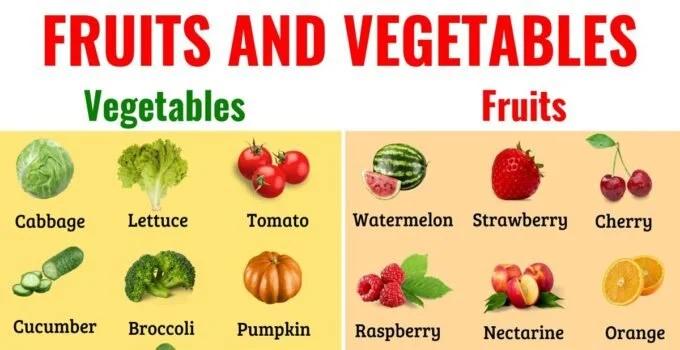
It is suggested that you eat a minimum of 5 portions of a variety of fruit and veg daily. They may be juiced, fresh, frozen, canned, and dried. Getting the 5 portions in one day is simple than it sounds. Why not cut a banana over the breakfast cereal, and swap the usual mid-morning snack for fresh fruit? A portion of fresh, canned, and frozen fruit and vegetables is 80 grams. A dried fruit’s portion is 30 grams. A 150ml glass of fruit juice, vegetable juice, and smoothie counts as one portion but limit the amount to not more than one glass a day as these drinks are sugary and may damage your teeth.
Drink water throughout the day.
Water wards off dehydration (which causes you to need to eat more), but it is incredibly essential for your digestion. Plus, if you are drinking water throughout the day, you are less probably to drink other sugary drinks like soda and sugary cocktails.
Swap with whole grains.
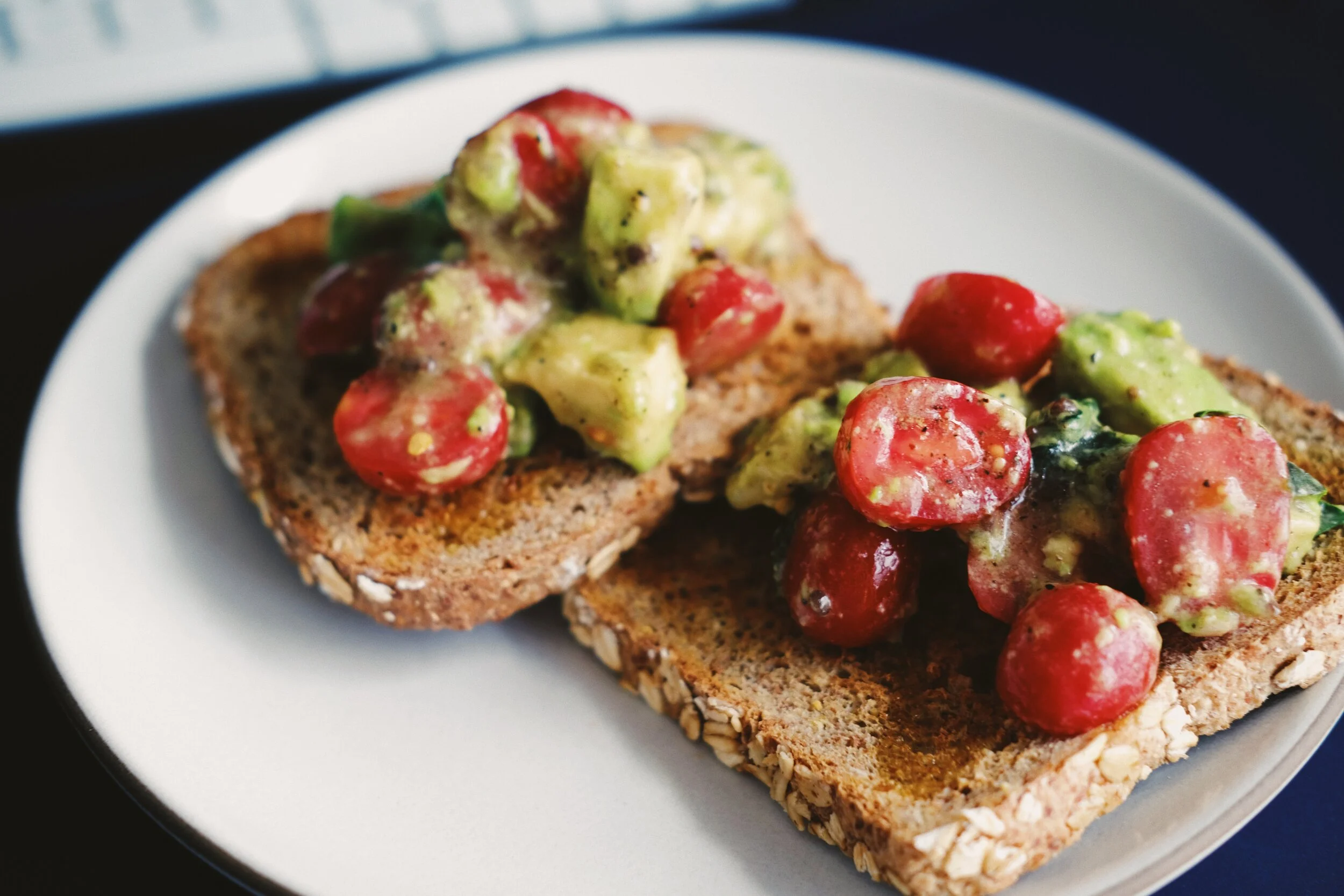
Photo by Ryan Quintal on Unsplash
Whole-grain carbohydrates are loaded with dietary fiber, which is great food you can have for weight loss. Swapping out your white, refined carbohydrates for whole-grain carbohydrates as well as complex carbs is a lot simpler than you think. You may find whole-grain pasta, crackers, tortillas, bread, and more.
Portion your food.
Portioning out your food does not mean restricting your food. It means appropriately portioning out the right amount of food for every meal. For a normal lunch of dinner plate, it is better to have a minimum of 4-5 oz. of protein, 1 to 2 cups of vegetables, 1/2 cup (and 1 serving) of a complex carb, as well as a serving of healthy fats. This plate is full and filling, and you will not feel like you are missing out.
Select one dessert for the day.
Have a sweet tooth? You do not have to remove your favorite sweets completely. Like portioning out your food, plan your dessert for the day as well as portion it correctly. If you like ice cream, then get an ice cream’s scoop. Dark chocolate? Enjoy a serving of it. It’ll satisfy your sweet craving and you will not overdo it on the calories.
Track Your Meals.
Successful losers know how essential it’s to document what and how much they eat. The easy act of writing it down is a powerful tool that can help keep you in control. Utilize the WLC journal function, and if you prefer, keep your own diary to track your everyday food intake.
Eat less salt. (6 grams per day for adults)
Eating salt in excessive quantities can increase blood pressure. People with higher blood pressure are more probably to develop heart disease and have a stroke. Even if you don’t add salt to your food, you can yet be eating too much.
About 3-quarters of the salt you eat is in the food when you purchase it like breakfast cereals, soups, bread, and sauces. Utilize food labels to help you cut down. If your food contains more than 1.5 grams of salt per 100 grams then it means that your food is high in salt. Adults and kids aged 11 as well as over should eat no more than 6 grams of salt a day. Younger kids should have even less.
Get active and be in a healthy weight.
And eating healthily, regular exercise can help decrease your risk of getting serious health situations. It is very important for overall health. Being overweight or obese may lead to health conditions, like type 2 diabetes, specific cancers, heart disease, and stroke. Being underweight can affect your health. Some adults want to lose weight by eating some calories. If you want weight loss, then be more active and eat less. Eating a healthy, balanced diet may help you maintain a healthy weight.
Roast instead of fry.
This goes for everything, from chicken fingers and French fries to vegetables. Roasting at higher temperatures gives food a flavorful crispy outside with vastly less oil needed. So roast your foods instead of fry.
Do not Ignore Nuts and Seeds.
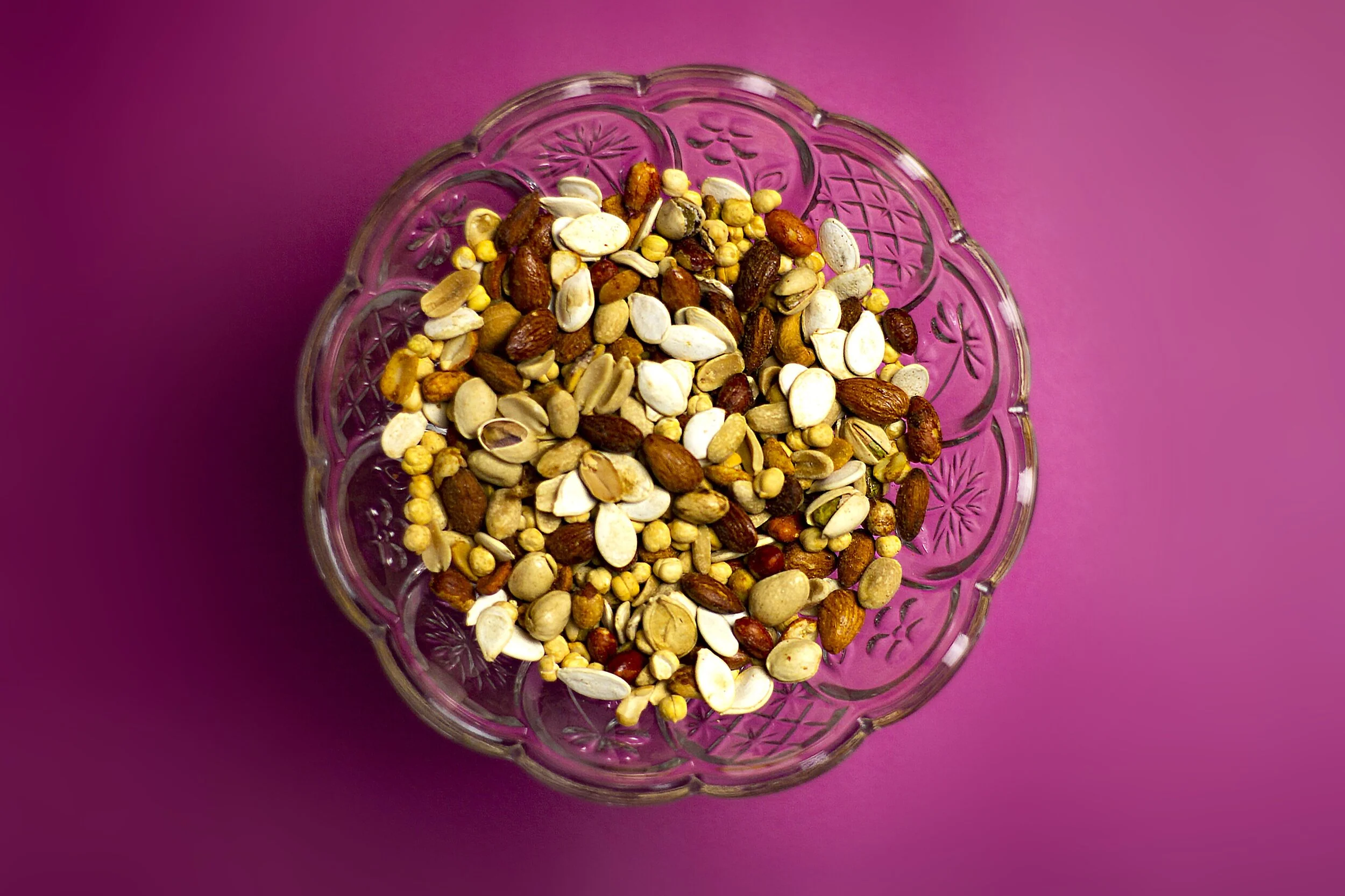
Photo by Usman Yousaf from Burst
Nuts and seeds can appear tiny, but do not be fooled. They pack a serious nutritional punch. Chia seeds, for example, contain antioxidants, protein, fiber, Omega-3 fatty acids, and a ton of minerals such as calcium, phosphorus, iron, and manganese.
All these nutrients play an important role in promoting better health. Other best nuts and seeds include dried berries, flaxseed, pumpkin seeds, almonds, and pistachios. Getting additional nuts and seeds into your diet is not so difficult either. You can sprinkle them over your cereal, create them a part of your baking recipe or easily snack on them instead of fries and candy bars.


Donec id justo non metus auctor commodo ut quis enim. Mauris fringilla dolor vel condimentum imperdiet.