Effective Core Training
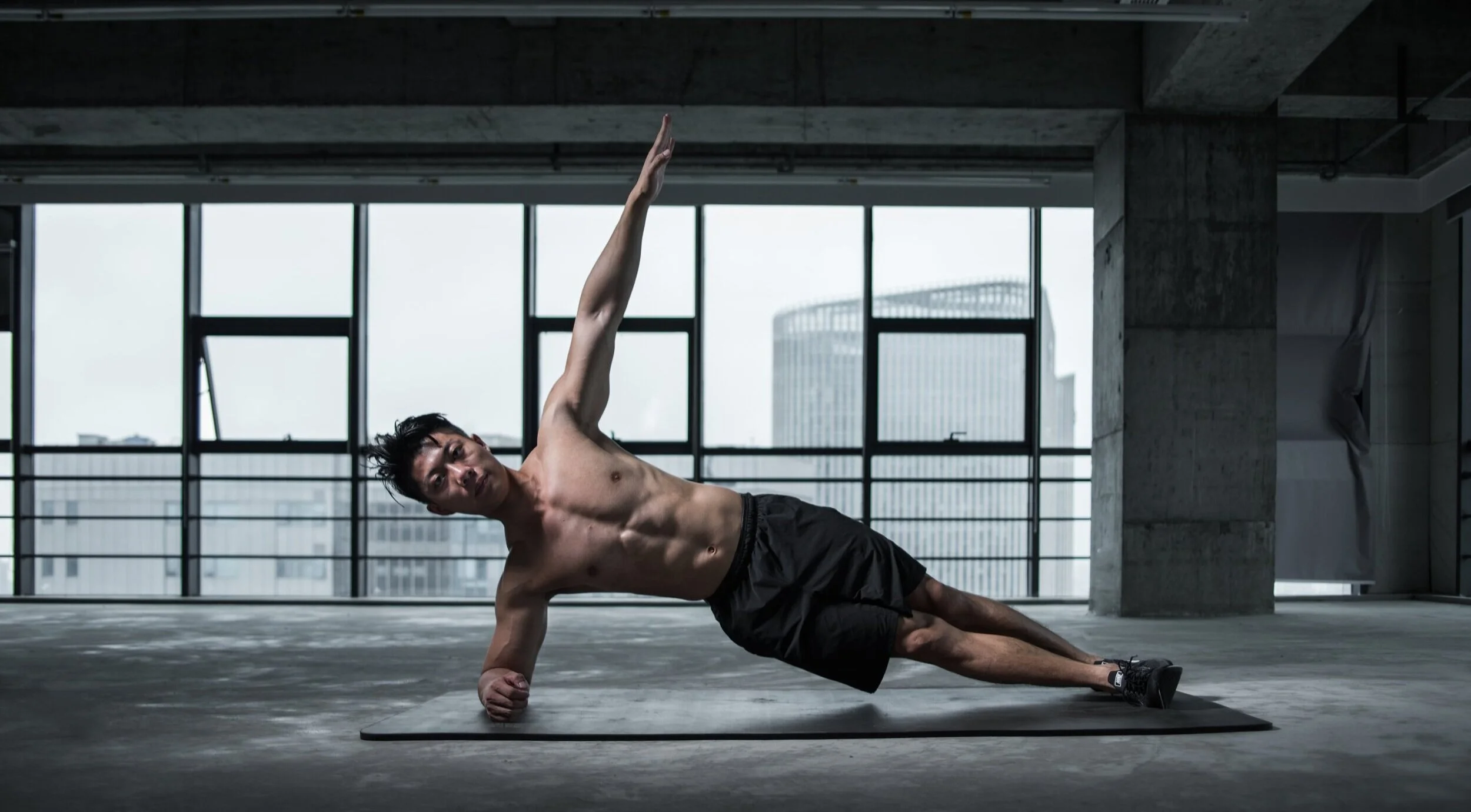
Core training is an everyday hot topic. Everywhere you look, there seems to be yet another article or video dedicated to this topic.
The problem is, most people severely overlook a large portion of the core musculature and mostly focus on a few popular choices – the abs, obliques, and similar.
To that end, we’ve put together this beginner’s guide to practical core training. Below, you’ll learn everything there is to know about the core, what muscles it involves, and how to go about developing it in the best possible way.
Are you ready? Let’s dive in.
What is ‘The Core,’ And What Are Its Functions?
If you were to ask most people about the core, they would say something along the lines of, “Sure, I train my abs from time to time.” And if you look up some ‘core workouts’ on Youtube or in Google, most of them would just have you train your abs, and maybe your obliques to some extent.
And who could blame them? Prevailing wisdom has always suggested that abs = core, and that’s all we need to worry about.
But, the truth is, our core encompasses a lot more than just our abs and knowing that is the first step to developing a solid core training program. So, what does the ‘core’ include? Quite a lot, really:
Rectus abdominis (abs)
Internal and external obliques
Transverse abdominis
Lower back complex
Glutes
Pelvic floor muscles
Hip flexors
Diaphragm
Also, to some extent, we can consider the following muscles as part of the core:
Pectorals (chest muscles)
Latissimus dorsi
As for the functions of the core, research is yet to understand its biomechanical and kinetic significance fully, but some ideas suggest the following:
Most of the upper and lower body movements originate from the core. This includes running, jumping, kicking, throwing, and such.
The core plays a significant role in linking the upper and lower body, thus creating a rigid structure and allowing for a more efficient transfer of force on different physical tasks. A good example here is the significance of a strong core during an exercise such as the standing overhead shoulder press.
Allowing us to maintain proper posture and good spinal alignment, thus preventing unwanted pains and aches down the road. This is true for simple activities like walking, and it’s true for more demanding tasks like holding a plank, shooting a rifle from a prone position, and much more.
How to Build a Strong and Impressive Core Musculature
As you can imagine, going about effective core training is much more than doing a few sets of lying leg raises and calling it a day. To develop a balanced and robust core, you need to take all of the muscle groups fro above into account and find functional exercises for them.
With that said, here are six great exercises for your core:
1. Plank Variations
The plank is quite the popular core-building exercise, and you’ve probably heard about it (or have done it yourself). The problem is, planks, how they are typically done, are not as effective.
The good news is, with a few minor tweaks, we can gain a lot from this exercise. Here are four fantastic plank variations:
Elbow Tap Plank
Unlike the classic plank, this variation is more challenging for your core musculature because you have to lose points of contact. More specifically, you have to raise one hand at a time, which makes your core work much harder to keep you in the plank position.
Here is a video on how to do it.
Side Plank With Leg Raise
The classic side plank is a great exercise for your transverse abdominis and obliques. But, most people find it quite easy, so a better alternative is this dynamic version with the leg raise.
Raising your top leg during the side plank position not only forces your entire core to work harder, but it also increases the involvement of your obliques, glutes, adductors, and abductors.
Here’s how you can do it.
Foot March Plank
If you find the above two variations a bit too challenging, you can start with the foot march plank, as it closely mimics the classic plank and is only a tad more difficult.
Much like with the elbow tap plank, this variation challenges you by having you lose points of contact, which forces your core to engage more.
Here is how you can do it.
Bench Plank With Row
This is a less known plank variation, but it does an impeccable job of strengthening your core.
It also helps you work your back unilaterally, which helps prevent side-to-side imbalances.
The goal here isn’t so much to pick the heaviest dumbbell you can row, but to pick one that allows you to maintain the proper plank pose while also rowing the weight to the correct height.
Here is a video.
2. Dead Bug
This is a fantastic – albeit slightly weird – exercise for core strength and overall stability. The dead bug allows us to strengthen the core while keeping the spine in a safe and advantageous position.
And the best part is, even if the regular variation becomes too easy, you can always do weighted dead bugs with an ankle weight and a dumbbell like Bret does in this video.
3. Russian Twist
The Russian twist is a fantastic exercise for strengthening your internal and external obliques, as well as your transverse abdominis.
You can start with the body weight variation of the movement, and, once it gets too easy, start doing the movement with additional weight – a plate, dumbbell, or medicine ball.
Here is a video.
4. Push-Up to Renegade Row
This is a great two-in-one exercise that trains your chest, upper back, and entire core. Because you essentially have to maintain a high-plank position, your core benefits from a consistent isometric contraction. And, with the rowing, you get to train your lats, rhomboids, and trapezius.
Here is a video of this movement.
5. Glute-Ham Raises
Glute-ham raises do a great job of training some often-neglected muscle groups – the hamstrings, glutes, and lower back.
The glute-ham raise is also a fantastic alternative to hip hinge movements like the deadlift because it doesn’t put as much stress on the lower back, and it does a better job of training your abdominals.
Here is how you can do the bodyweight version.
6. Slick Floor Bridge Curls
This is similar to the glute bridge exercise, but it offers a twist that makes it more challenging and, in the opinions of many athletes, allows for greater glute activation.
Because this exercise mixes a hamstring curl with a glute bridge, it offers superior activation of both muscle groups, and many athletes use it to develop their posterior chain and build a more stable core.
Here is a video demonstration.
Now that we’ve gone over some of the best core exercises, let’s take a look at a weekly routine you can do on top of your already existing training plan. The great news is, this routine is relatively low in volume and won’t pile tons of fatigue.
The Weekly Core Routine
You can do these workouts as you get up in the morning, or after your main exercise of the day:
Day 1
Elbow tap plank - 2 sets of 1-minute holds
Dead bugs - 2 sets of minute-long alternations
Slick floor bridge curls - 3 sets of 12 to 20 reps
Day 2
Bench plank with row - 2 sets of 10 reps per side
Push-up to renegade row - 20 sets of 10 rows per side
Glute-ham raises - 2 sets of 10 to 20 reps
Day 3
Side plank with leg raise - 2 sets of 10 raises per side
Russian twists - 2 sets of minute-long alternations
Foot march plank - 2 sets of minute-long alternations